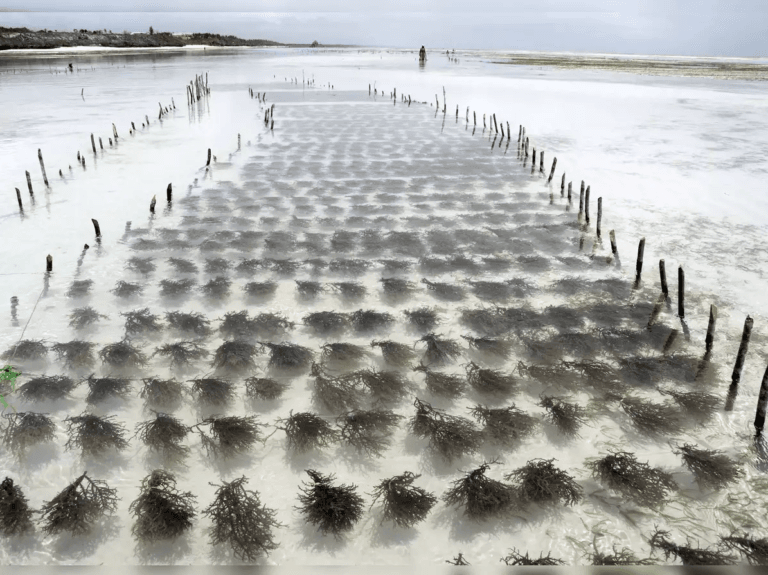
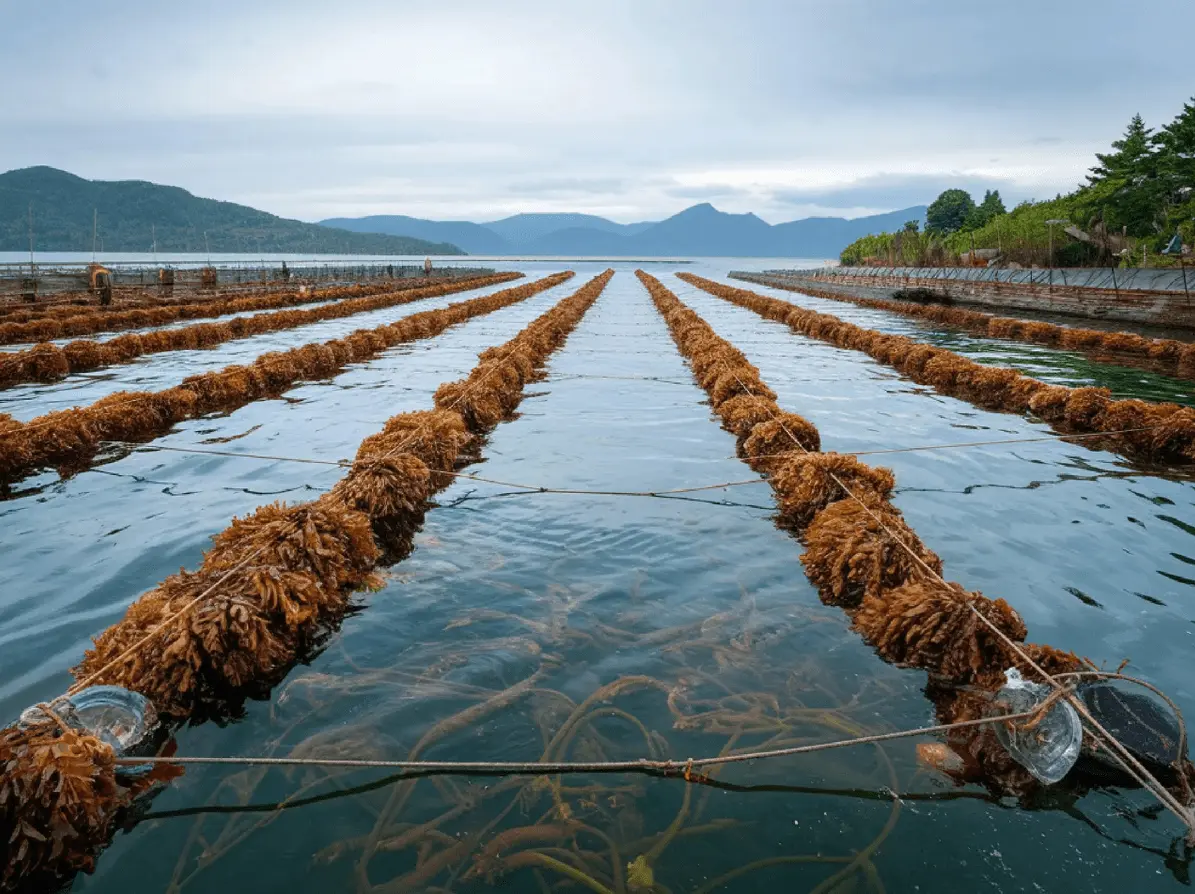
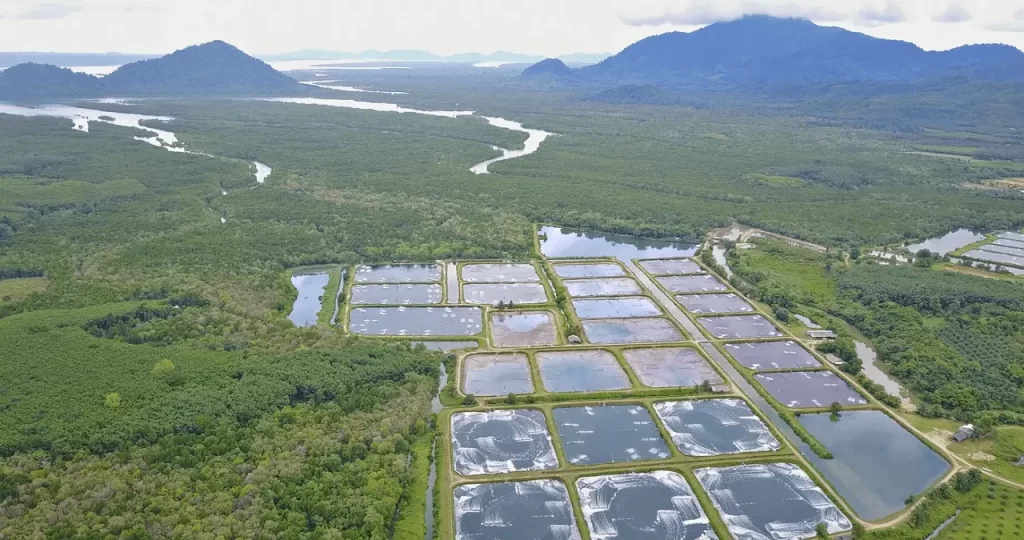
Sustainable shrimp farming is becoming more crucial due to the environmental challenges traditional aquaculture faces. One innovative approach is Integrated Multi-Trophic Aquaculture (IMTA), which promotes a balanced ecosystem by farming different species together, like shrimp and seaweed. This method enhances shrimp production and offers multiple ecological and economic advantages.
Benefits to the Farm:
Natural Water Filtration: Seaweed acts as a natural biofilter, absorbing excess nutrients (like nitrogen and phosphorus) from shrimp waste. This improves water quality, reducing the need for chemical treatments and lowering the risk of disease in shrimp.
Improved Shrimp Health: Clean, nutrient-balanced water creates a healthier environment for shrimp, leading to better growth rates and lower mortality. The healthier the shrimp, the higher the yield and quality.
Environmental Sustainability: By integrating seaweed farming, shrimp farms reduce their environmental footprint. Seaweed absorbs CO2 and produces oxygen, combating ocean acidification and improving the overall marine ecosystem. This leads to a more sustainable farming practice, attracting eco-conscious consumers.
Extra Income from Seaweed:
Additional Product Line: Seaweed can be harvested and sold as an additional product. With the growing demand for seaweed in industries like food, cosmetics, pharmaceuticals, and biofuel, farmers can tap into these markets for extra revenue.
Bio-Stimulant Production: Seaweed is used to create bio-stimulants, which can be sold to agricultural sectors to promote plant growth. This creates a new income stream while supporting sustainable farming practices beyond the shrimp farm.
Feed for Shrimp: Certain species of seaweed can be processed and used as a low-cost, nutrient-rich feed for shrimp. This reduces feed costs and contributes to farm profitability.
Conclusion:
The IMTA method, integrating shrimp and seaweed farming, offers a win-win situation for sustainable aquaculture. It enhances farm productivity by improving water quality and shrimp health, while simultaneously generating additional income through seaweed harvesting and bio-stimulant production. This approach promotes environmental sustainability, creating a more profitable and eco-friendly business model for shrimp farmers