




Sachi Eco-powered Livelihood Foundation (SELF) aims to generate sustainable livelihoods through eco-friendly initiatives. Our goal is to empower individuals by providing self-employment opportunities and collaborating with the private sector to develop scalable business models that facilitate widespread livelihood creation.
Sachi Eco-powered Livelihood Foundation (SELF) seeks to enhance ecological well-being through its livelihood initiatives. Our approach ensures that livelihood generation has a net positive impact on the environment, creating a mutually supportive relationship between economic development and ecological preservation.

At Sachi Ecopowered Livelihood Foundation (SELF), we envision a world where ecological sustainability and economic prosperity are seamlessly intertwined. We believe that when ecosystems thrive, so do the communities that depend on them. By fostering environments where nature and livelihoods flourish together, we aim to create a sustainable future for all.
By partnering with the private sector, we develop and scale innovative business models that support and multiply economic opportunities while preserving our planet’s natural resources.

To create a world where thriving communities and a healthy ecosystem coexist in harmony, empowered by sustainable and eco-friendly livelihoods that nurture both people and the planet.

To foster sustainable economic growth through innovative and eco-friendly initiatives. We strive to empower communities by providing resources, education, and partnerships that encourage self-employment and the development of sustainable business models.
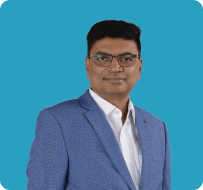

Mr. Sidhartha (Sid) Mohanty is a serial entrepreneur and angel investor with a proven track record, having founded two global software companies. His latest venture, Areteans, is a leading Pega systems integrator, serving clients in over 20 countries.
Sid is dedicated to building businesses that foster large-scale employment, sustainable climate initiatives, and healthy lifestyles. He founded Brahma Kamal, a company pioneering seaweed production in Odisha and Andhra Pradesh, and invests in startups that align with his mission. Notably, one of his investments, Munico, developed India’s first probiotic millet-based drink.
He also founded the Sachi Ecopowered Livelihood Foundation (SELF) to empower individuals by providing self-employment opportunities through sustainable and eco-friendly interventions.
Sid serves on the advisory board of the Young Tinker Foundation, where he fosters innovation and provides strategic guidance.

Dr. Kirti Mishra is a Research Scientist and Programme Specialist with over a decade of experience in algal biochemistry, vector-borne diseases (VBDs), and 12 years in national public health programs. She holds a Ph.D. in Zoology, focusing on marine macroalgae as a dietary source of essential fatty acids for freshwater fish. Her postdoctoral research explored the molecular biology of filaria and malaria parasites.
Recipient of the prestigious Fast Track Young Scientist Award, Dr. Mishra has published 15 research articles. As the State Coordinator for the National Vector Borne Disease Control Programme, she led strategic initiatives, including Odisha’s VBD prevention plan. She also served as a master trainer for malaria elimination, contributing significantly to national public health efforts.

Mary Surin is a senior development professional with over 20 years of experience across government, philanthropy, and civil society in India. She specializes in sustainable livelihoods, women’s empowerment, and inclusive development for marginalized communities. Mary has held leadership roles at Reliance Foundation, The/Nudge Institute, Tata Trusts, and Heifer International India, driving large-scale programs in women entrepreneurship, migration, and poverty alleviation. She began her career with the Government of India and the Government of Odisha, and is known for building strong cross-sector partnerships and delivering scalable, community-centered solutions. She holds a Master’s degree from Brandeis University, USA, and is a Ford Foundation International Fellow.

Develop sustainable strategies that harmonize ecological conservation with livelihood creation, ensuring that ecological preservation directly supports economic opportunities and that economic activities, in turn, contribute to environmental sustainability

Empower individuals to create their own livelihoods through self-employment opportunities, reducing reliance on traditional employment and fostering a culture of entrepreneurship and independence

Partner with the private sector to design and implement profitable business models that not only sustain but also multiply livelihood opportunities, ensuring that economic growth is achieved alongside ecological conservation.


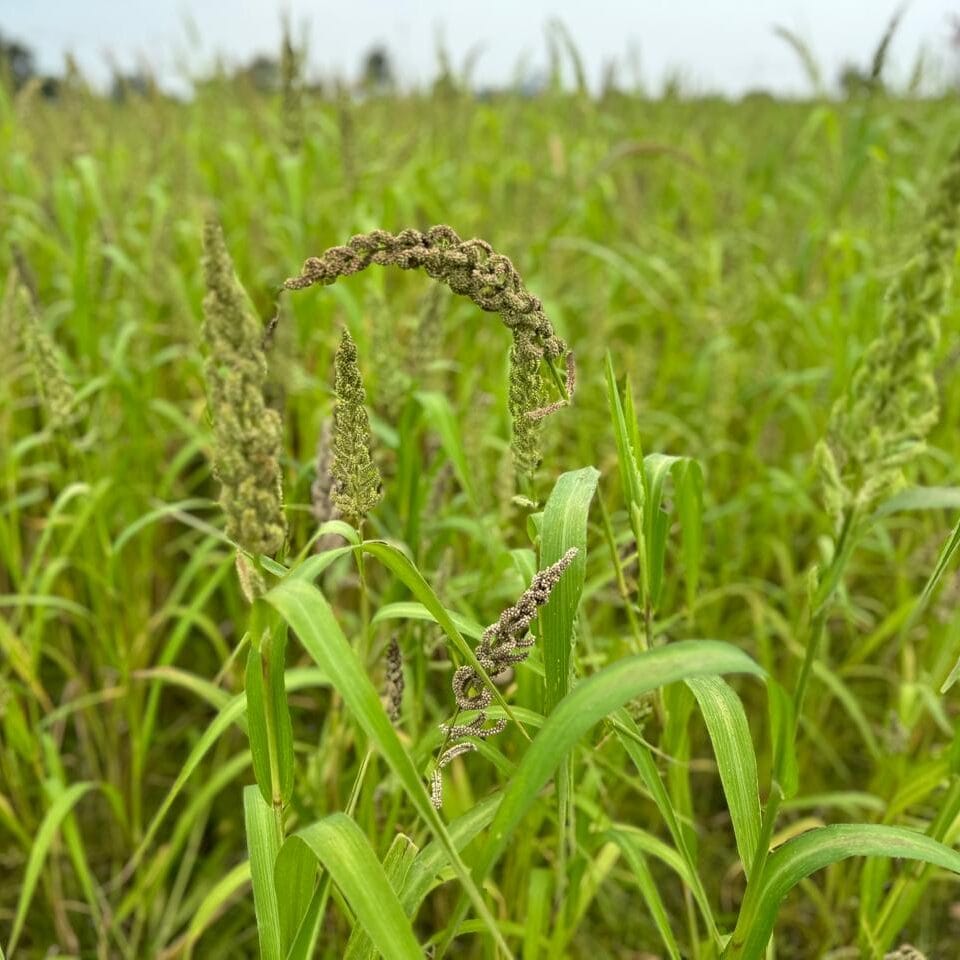
Promoting Health and Enhancing Livelihoods Through Sustainable Millet Farming


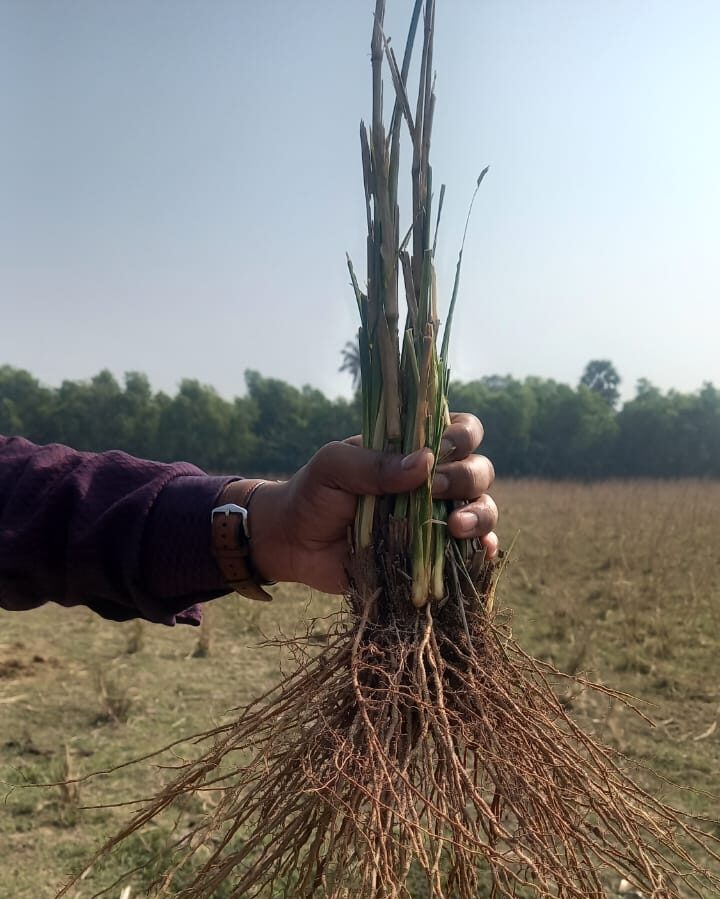
Transforming Wastelands with Vetiver and Napier Grass to Combat Erosion and Support Livelihoods


Across the coastal stretches of Puri and Ganjam, near the Chilika basin, communities are facing a silent crisis


info@theself.org.in
Plot No. 1534/1650/3153, Kalyani Nagar, Phase -1, Raghunathpur Jali, Bhubaneswar, Odisha, India - 751024
At SELF, we are committed to building a sustainable future where ecology and livelihoods thrive together. Join us in our mission to create a world where nature and prosperity are inextricably linked.
Copyright © 2024 Sachi Foundation, All Rights Reserved.
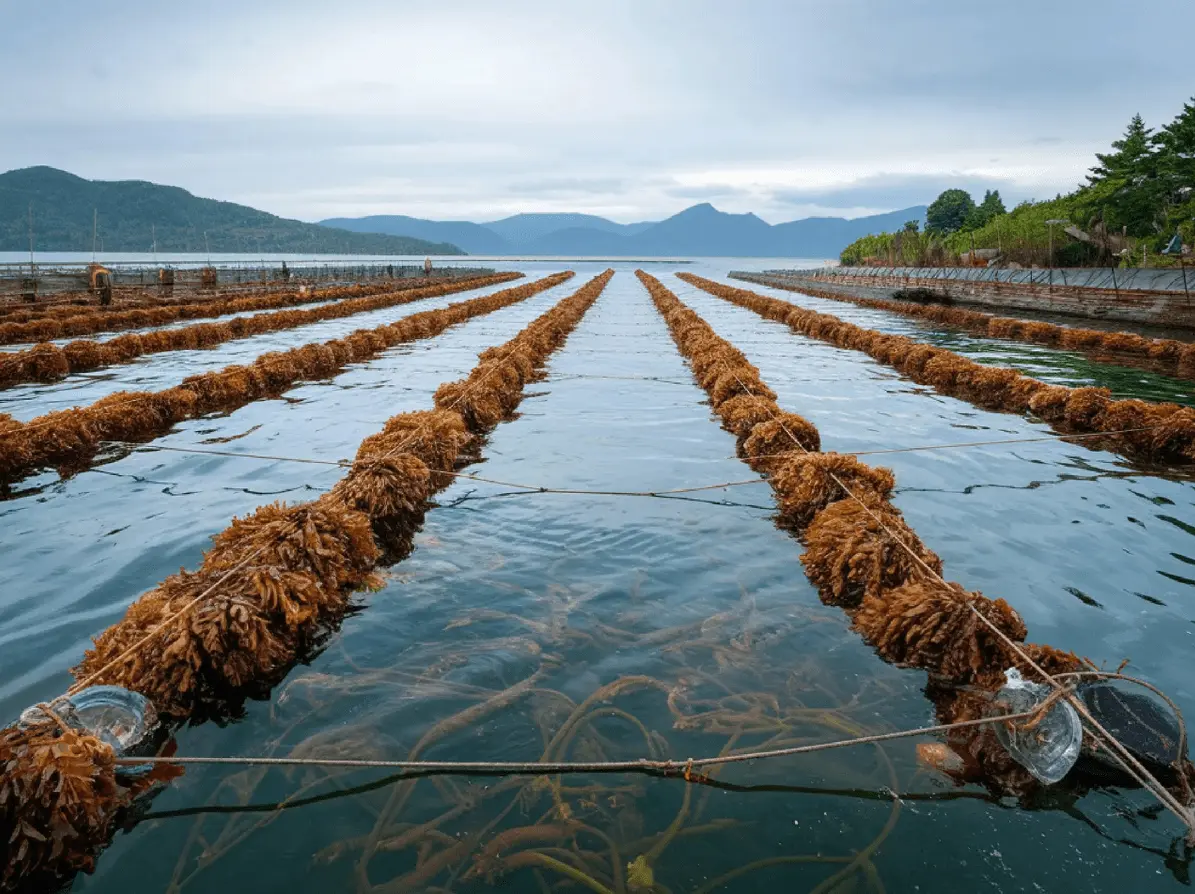
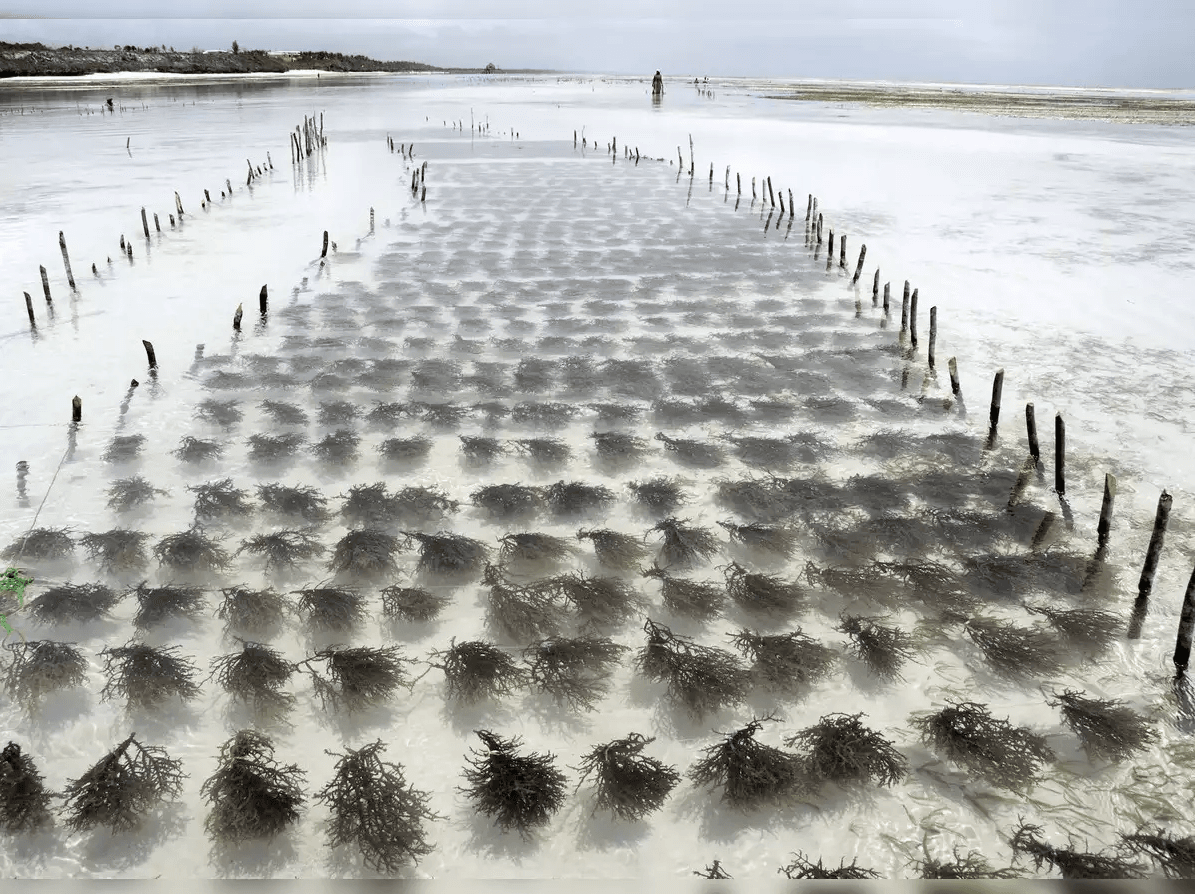
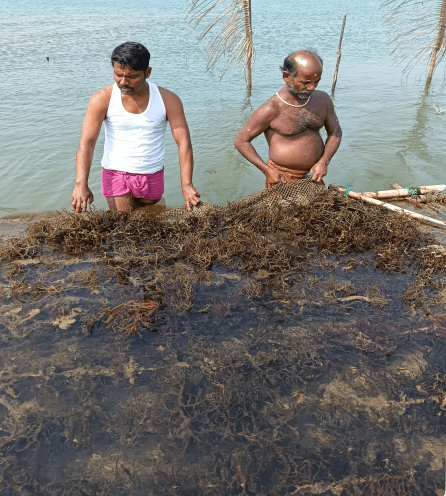
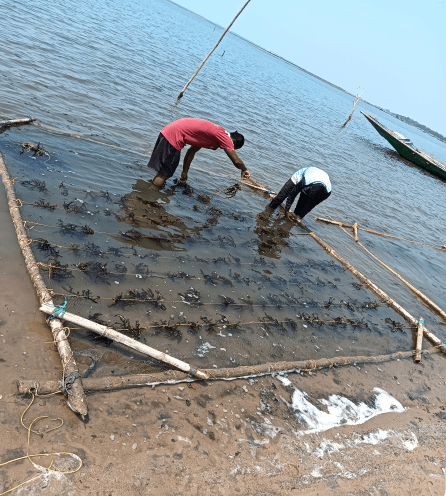
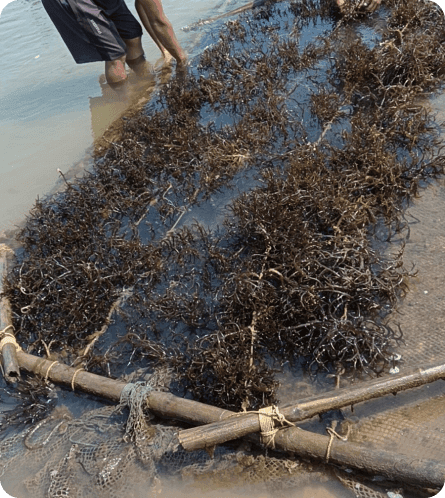
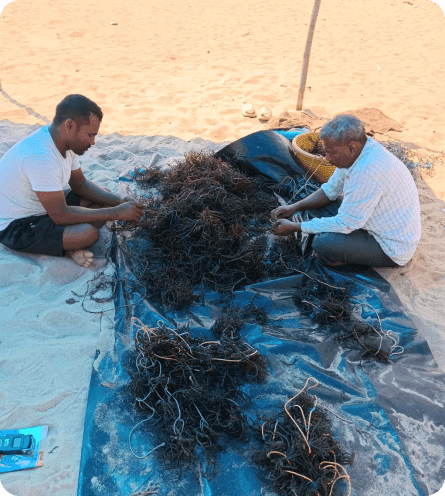
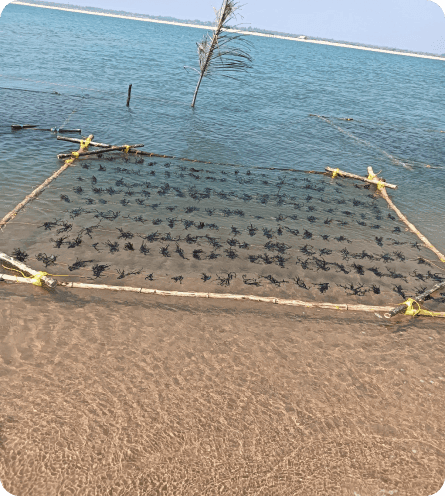
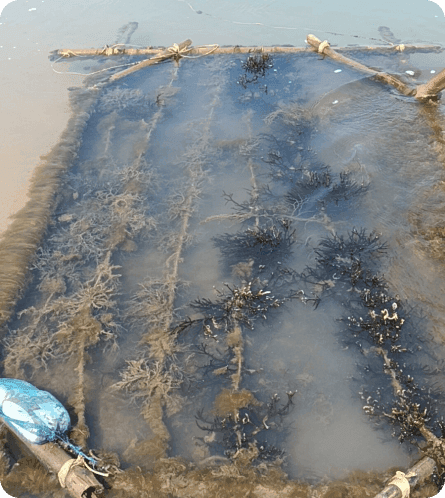
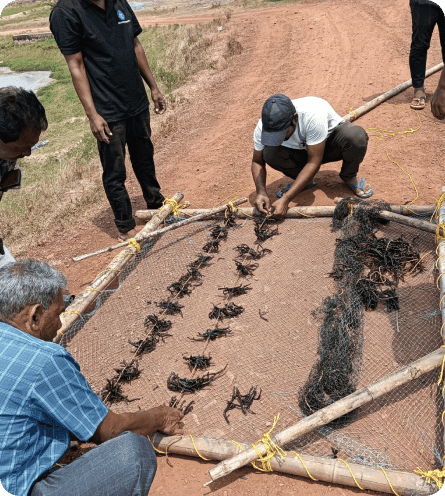
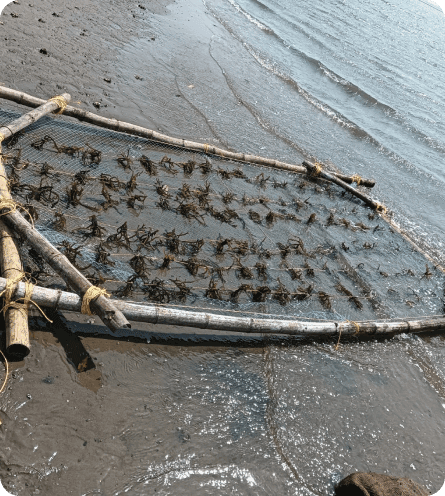
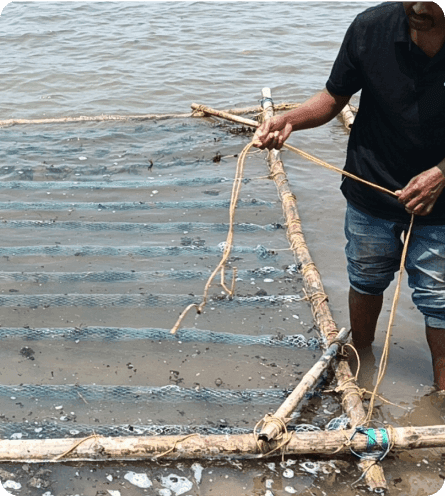
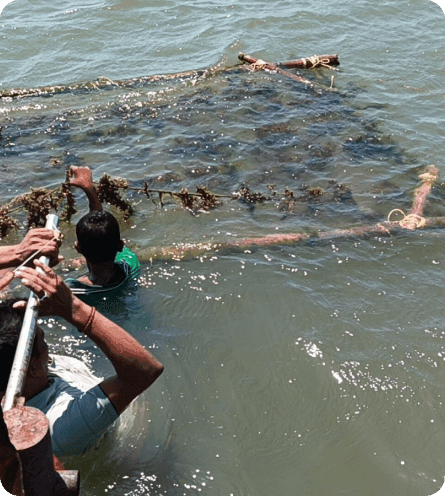
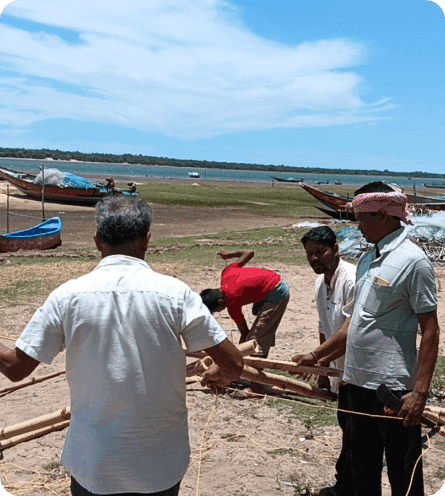
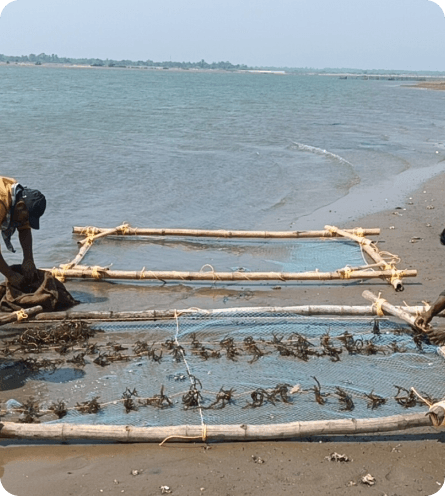
Seaweed is one of the ocean’s most versatile and sustainable resources, offering solutions to some of our most pressing environmental and economic challenges. With this in mind, Sachi Eco-Powered Livelihood Foundation (SELF), in collaboration with BKR LLP, has launched Mission Sea—an initiative dedicated to transforming seaweed cultivation into a viable livelihood for coastal communities while promoting ecological balance.
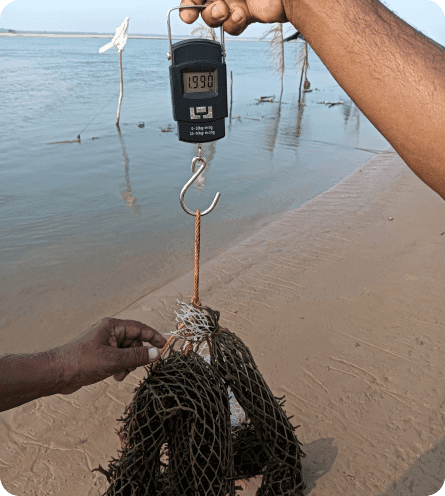
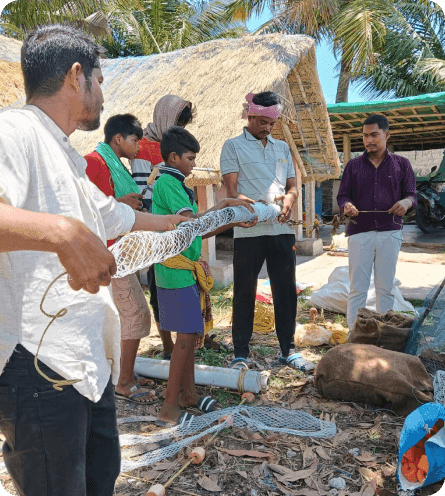
Seaweed farming is not only environmentally friendly but also a profitable enterprise that requires minimal input and yields high returns. As part of Mission Sea, we aim to empower coastal communities by providing them with the tools, training, and resources needed to engage in sustainable seaweed cultivation. This initiative helps fishermen and other community members diversify their income sources, reducing their reliance exclusively on traditional fishing methods that may be less sustainable.
Beyond its economic benefits, seaweed plays a crucial role in maintaining ecological balance. Seaweed acts as a natural carbon sink, absorbing carbon dioxide from the atmosphere and helping to mitigate climate change. It also provides habitat and food for marine life, supporting biodiversity and enhancing the health of marine ecosystems.
Moreover, seaweed cultivation requires no fertilizers or freshwater, making it a highly
sustainable practice that doesn’t deplete natural resources. By promoting seaweed farming, Mission Sea contributes to the restoration and preservation of marine environments, ensuring that they remain healthy and productive for future generations.
Through our partnership with BKR LLP, Mission Sea leverages expertise and resources to scale seaweed farming initiatives across coastal regions. Together, we are creating sustainable business models that not only provide economic opportunities but also contribute to the global effort to combat climate change and protect marine ecosystems.
Mission Sea represents a powerful synergy between livelihood creation and environmental stewardship. By fostering sustainable seaweed cultivation, we are building resilient coastal communities and ensuring that our oceans continue to thrive.
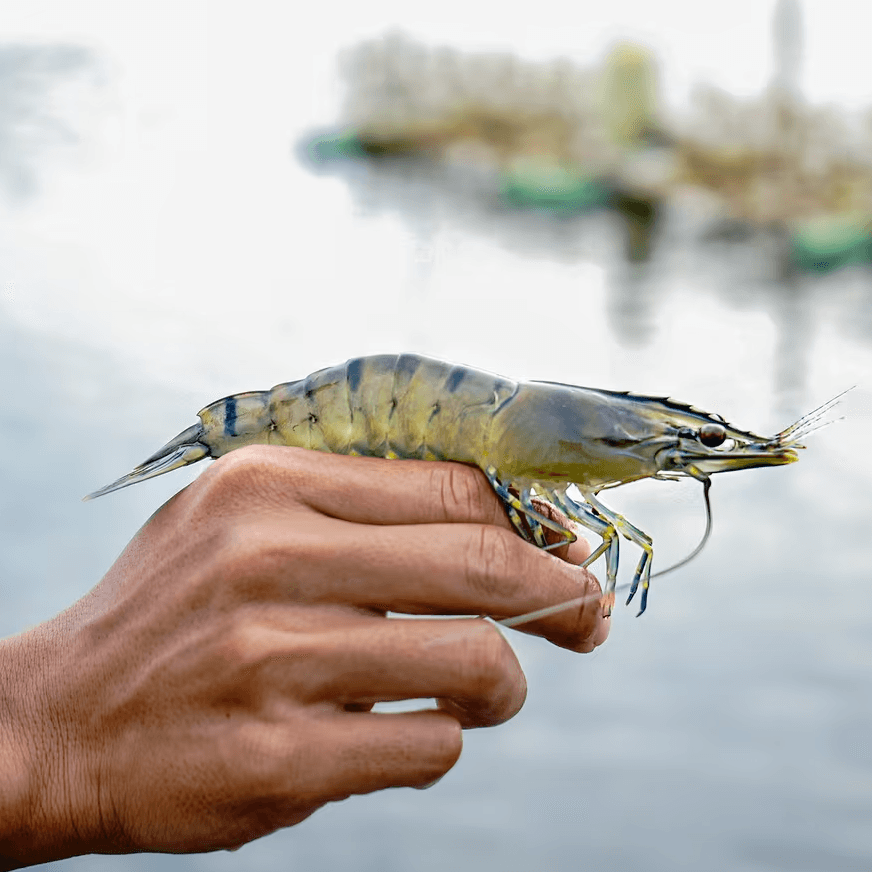
Aquaculture holds immense potential for feeding the world’s growing population, but it must be managed carefully to ensure that it remains sustainable and ecologically responsible. At Sachi Eco-Powered Livelihood Foundation (SELF), our Mission Aqua initiative, in collaboration with BKR LLP, is designed to achieve just that—by empowering fishermen and transforming aquaculture into a more sustainable and profitable endeavor.
Mission Aqua is focused on making aquaculture more sustainable in terms of both revenue generation and ecological impact. By adopting Integrated Multi-Trophic Aquaculture (IMTA) methods, we are able to create systems where different species coexist and support each other, mimicking natural ecosystems. This approach not only enhances productivity but also minimizes environmental harm, making aquaculture a more sustainable practice.
One of the key innovations of Mission Aqua is the use of both saline and freshwater systems to diversify and optimize aquaculture practices. For saline water, we incorporate the cultivation of seaweed, a valuable resource that not only provides food and income but also helps absorb excess nutrients, reducing the environmental impact of aquaculture. Seaweed farming also acts as a carbon sink, contributing to the fight against climate change.
In freshwater systems, we focus on Lemna (duckweed) cultivation. Lemna is a fast-growing plant that can be used as a natural biofilter, cleaning the water by absorbing nutrients and contaminants. It also serves as a high-protein feed for fish, reducing the need for external feed inputs and lowering costs for fishermen. By integrating these practices, Mission Aqua ensures that aquaculture operations are not only more sustainable but also more resilient and profitable.
At the heart of Mission Aqua is the empowerment of fishermen. By providing training, resources, and support, we help fishermen adopt these innovative practices, enabling them to increase their income while protecting the environment. Our collaboration with BKR LLP allows us to scale these efforts, reaching more communities and creating a broader impact.
Through Mission Aqua, we aim to build a future where aquaculture is a thriving, sustainable industry that supports both the environment and the livelihoods of those who depend on it. By integrating the best practices in ecological management with cutting-edge aquaculture techniques, we are paving the way for a new era of sustainable development in coastal and inland communities alike.
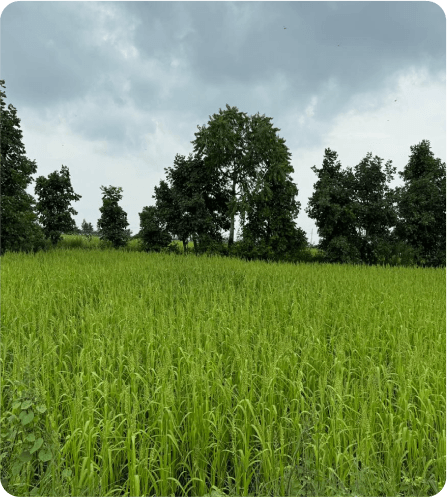
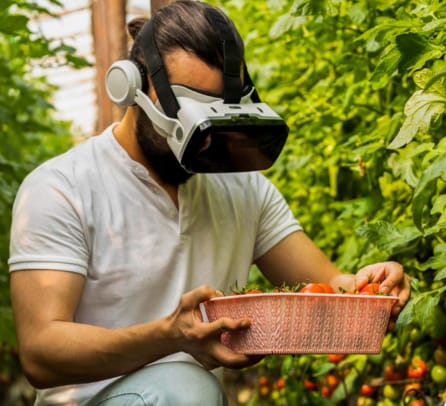
Mission Millets is a forward-thinking initiative by Sachi Eco-Powered Livelihood Foundation (SELF) in collaboration with Munico, dedicated to advancing the benefits of millets for a healthier society. This project focuses on integrating millet-based foods and millet-based probiotic drinks into daily nutrition, harnessing the nutritional and health benefits of these ancient grains.
Millets are celebrated for their rich nutritional profile, including high levels of protein, fiber, and essential minerals. By incorporating millets into a variety of food products and probiotic drinks, Mission Millets aims to promote healthier eating habits and improve overall well-being.
Our collaboration with Munico combines expertise in food innovation with a commitment to sustainability. Together, we are developing a range of millet-based foods and probiotic drinks that not only support individual health but also contribute to the preservation of traditional agricultural practices and promote sustainable farming.
Mission Millets is more than a program—it’s a movement towards a healthier, more sustainable future. By making millet-based products more accessible, we are empowering individuals to make nutritious choices while supporting agricultural diversity and fostering a more resilient food system.
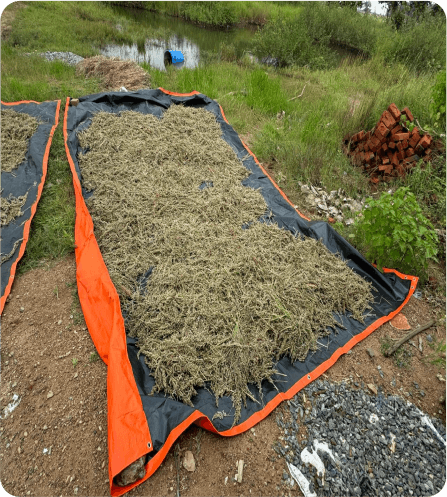
Mission Wasteland is a transformative initiative by Sachi Eco-Powered Livelihood Foundation (SELF), working in collaboration with government bodies to address the challenges of wastelands and coastal soil erosion. This project leverages the capabilities of vetiver grass and Napier grass to revitalize degraded lands, create sustainable livelihoods, and combat soil erosion in coastal regions.
Vetiver grass, known for its deep root system, and Napier grass, valued for its rapid growth, are pivotal in restoring wastelands and enhancing soil stability. Through Mission Wasteland, we are implementing these grasses to improve land productivity, prevent soil erosion, and support ecological balance in affected areas.
Our collaboration with government bodies ensures a strategic approach to land management and the implementation of best practices. By optimising wasteland usage, we are not only rehabilitating degraded areas but also creating new livelihood opportunities for local communities. This initiative aims to empower individuals with skills and resources while contributing to environmental preservation.
Mission Wasteland represents a commitment to sustainable development and environmental stewardship. By addressing soil erosion and revitalizing wastelands, we are paving the way for healthier ecosystems and more resilient communities, ensuring long-term benefits for both people and the planet.