As I reflect on my past, two key events have significantly influenced my perspective. The first was the 1994 plague in Surat, which triggered a massive exodus of Odia labourers back to Berhampur, Odisha. This incident exposed me to the vast scale of migration from Ganjam to Surat, a reality I hadn’t fully grasped until witnessing this temporary reverse migration. Around the same time, the Tata Group, recognized as one of India’s most socially responsible companies, encountered substantial resistance over a proposed mega steel plant in Odisha. This investment for a 10+ million metric tonne Steel Plant, promised to be the largest in the state, faced protests from locals fearing that the livelihoods would benefit outsiders more than themselves and potentially harm the environment.
These contrasting scenarios puzzled me. How could there be both a dearth of jobs causing migration and resistance to a major investment that could create employment opportunities in the same region? As a problem solver, I believe every challenge presents an opportunity. Moreover, the larger the challenge, the greater the potential for impactful solutions.
Inspiration struck from the AMUL model:
- Develop a symbiotic business model that partners with local communities, ensuring that they share in the benefits.
- Empowerment through self-generated livelihoods allows locals to manage their land and resources while rewarding hard work and initiative.
- Aim for sustainability. A successful model must not only be profitable but also scalable to ensure long-term livelihoods.
- Inspire others to replicate success. A single business cannot effect widespread change alone.
These principles form the core of my business philosophy, especially as I focus my efforts on Odisha and Andhra Pradesh, given my familial ties to both states. Both regions boast agrarian economies enriched by significant rainfall, a vast coastline, and extensive river networks. Notable features include Odisha’s Chilika Lake—the largest brackish water lake in Asia—and the state’s potential in aromatic plant cultivation, such as Kewra and lemongrass. Meanwhile, Andhra Pradesh leads India in aquaculture, though marginal fishermen struggle to sustain themselves.
In response, I founded the Sachi Ecopowered Livelihood Foundation (SELF), a Section 8 non-profit initiative. SELF aims to create synergy between ecology and livelihoods, fostering partnerships with the private sector to drive demand for products generated by beneficiaries.
SELF’s Four Key Programs:
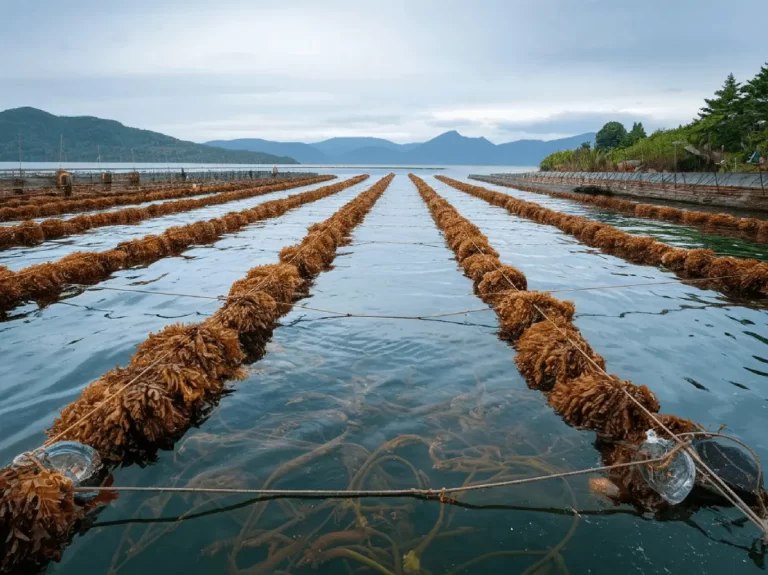
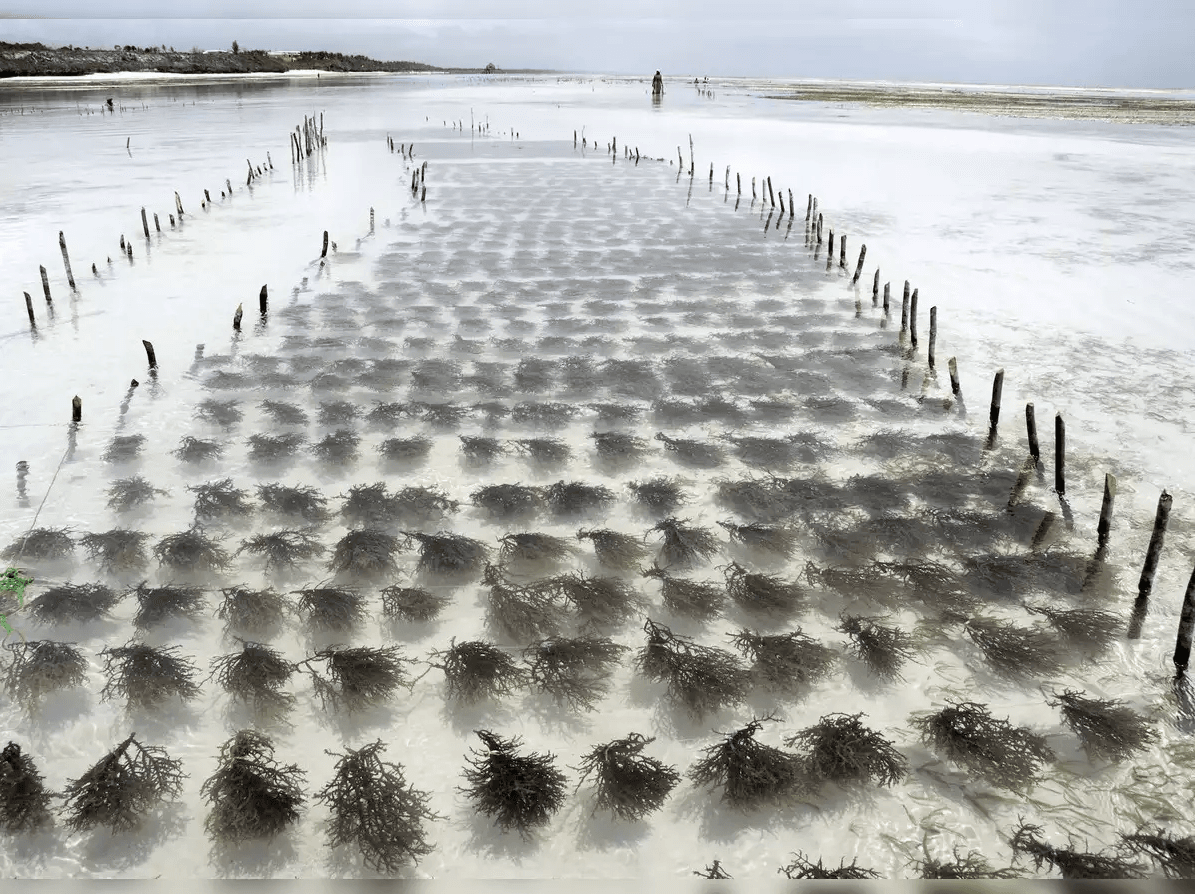
- Project Sea: Collaborate with fishing families to supplement their income through seaweed cultivation.
- Project Aqua: Enhance income for aquaculture farms with seaweeds and aquatic plants while alleviating ecological strain.
- Project Max Land Use: Partner with farmers for optimal land utilization through intelligent cash crop selection.
- Project Millets: Reintroduce millets into diets due to their environmental benefits and health advantages.
I’ll detail each project in future blog posts. While this journey promises to be challenging, the potential for positive impact fuels my determination. I invite support and active participation in these endeavors. Please share your suggestions and thoughts via email at or info@theself.org.in .